Automatic Cat Feeder
A Wi-Fi-connected feeding bowl that lets owners schedule and portion meals remotely — real enough demand that Xiaomi's first AI-powered version sold out in Germany and France within 72 hours.
An automatic cat feeder dispenses pre-set food portions on a schedule, with smart versions adding app control, remote monitoring, and sometimes a built-in camera. It's part of a broader wave of "connected pet care" products that have moved from a novelty into a genuinely large product category as pet ownership and pet-tech spending have both grown.
A genuinely crowded, fast-growing category
More than 20 active companies compete in the branded automatic pet feeder space, with PetSafe, WOPET, and Petlibro alone making up close to half of the branded online market. Independent market research firms put differing exact dollar figures on the category's total size (estimates for 2024-2026 range fairly widely depending on methodology), but they consistently agree on double-digit annual growth and North America as the leading region.
The core driver cited across research is straightforward: rising dual-income and single-person pet-owning households creating real demand for feeding solutions that don't require someone home at a fixed time every day.
Where the category is headed
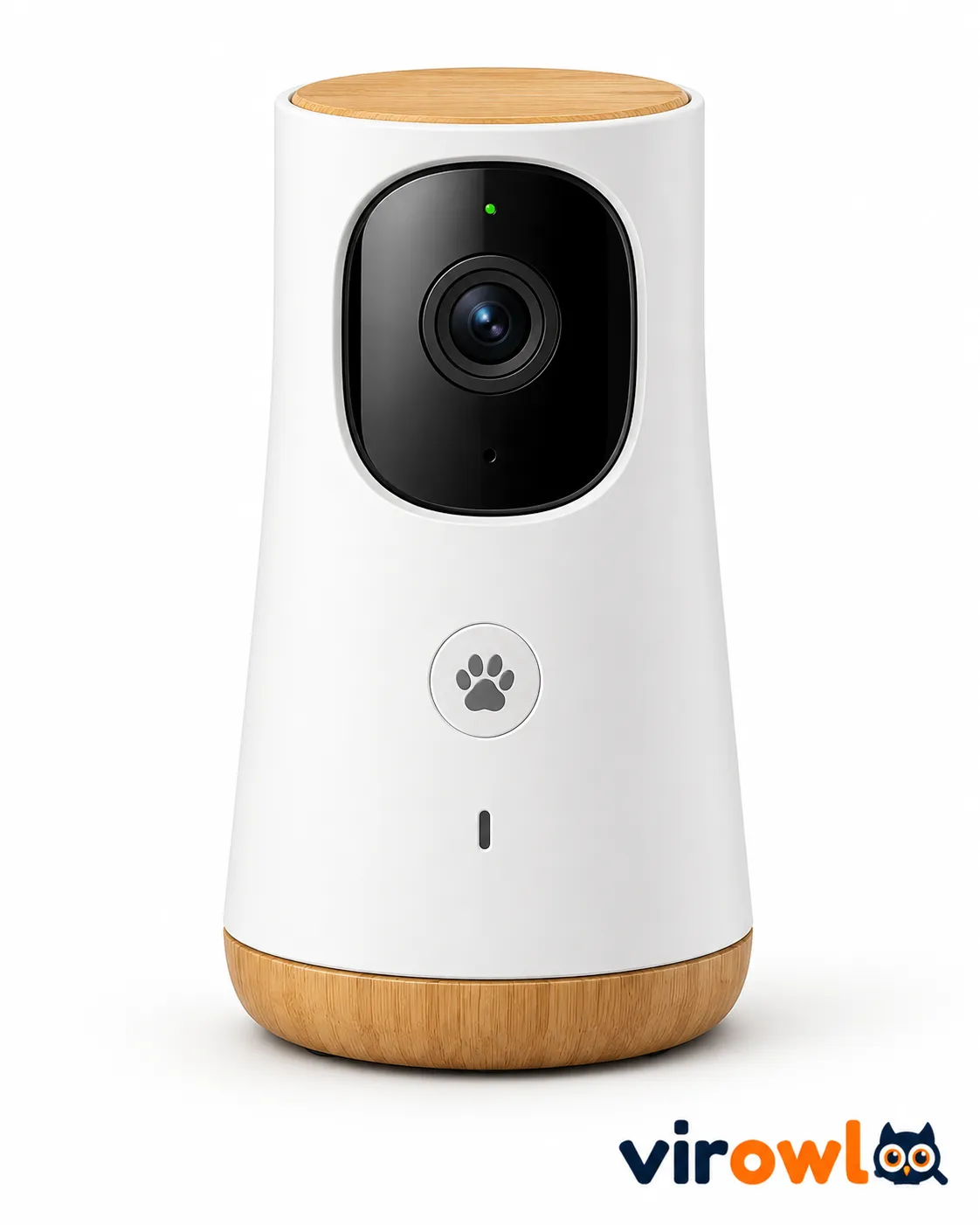
Camera integration, AI-based portion adjustment (tracking a pet's actual eating patterns rather than a fixed schedule), and smart-home/voice assistant compatibility (Alexa, etc.) are the features research firms consistently flag as driving the next wave of purchases, pushing feeders further from a simple timer-and-hopper device toward a genuine pet-monitoring hub.