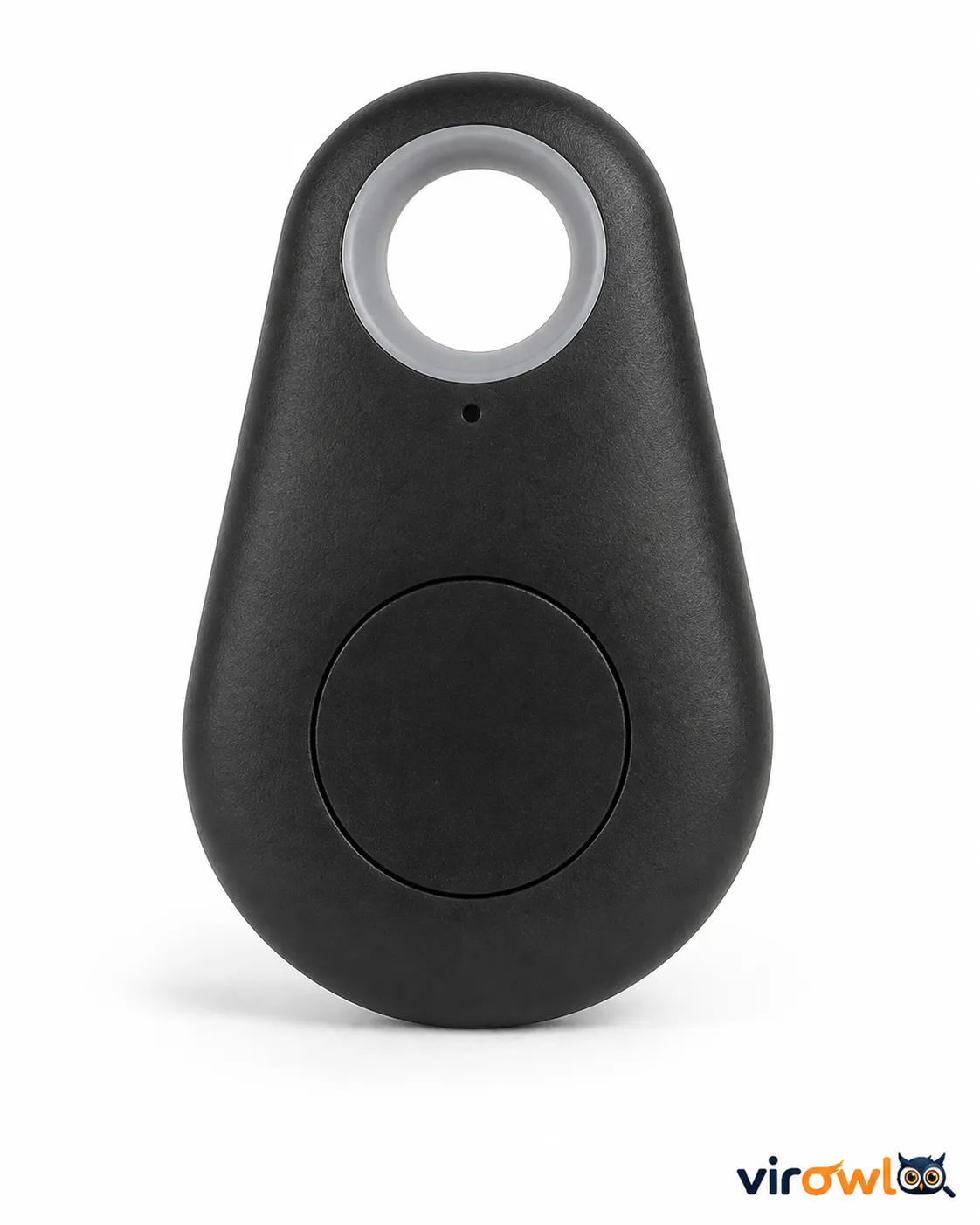
Bluetooth Item Tracker
A coin-sized Bluetooth locator for keys, luggage, and wallets — Apple's AirTag alone has sold over $1 billion worth since 2021, in a category now growing at roughly 25% a year.
A Bluetooth item tracker is a small tag you attach to something easy to lose — keys, a bag, luggage — that lets you ping its last known location through a phone app, using either direct Bluetooth range or (for AirTag specifically) the wider network of other nearby iPhones. Apple's 2021 entry didn't invent the category — Tile had been doing it for a decade — but it dramatically grew the market for everyone.
How Apple grew a market it didn't create
Tile pioneered the consumer Bluetooth tracker category roughly a decade before AirTag existed. When Apple launched AirTag in April 2021 at an aggressive $29, competitors braced for a wipeout — instead, Tile's own CEO has publicly argued Apple's entry legitimized and expanded the whole category the same way AirPods did for wireless earbuds after years of niche Bluetooth headsets going nowhere.
Tile sold to Life360 for $205 million later that same year. Rather than being erased, Tile has stayed relevant specifically by covering what AirTag can't: cross-platform support for Android users, since AirTag only works fully within Apple's ecosystem.
What actually differs between trackers
AirTag's key advantage is Ultra Wideband (UWB) precision finding on iPhones — it can guide you to within inches, not just "somewhere in this room." Samsung's SmartTag2 offers the equivalent for Galaxy phones. Tile and most other cross-platform trackers rely on standard Bluetooth range (typically 250–400 feet) without that precision layer, but work on both iOS and Android.
The other real differentiator is network size: a tracker is only as useful as the number of nearby devices running its finding network. That's why Apple's Find My and Google's Find Hub networks (both leveraging hundreds of millions of existing phones) have pulled ahead of smaller independent networks like Chipolo's or Pebblebee's own system.