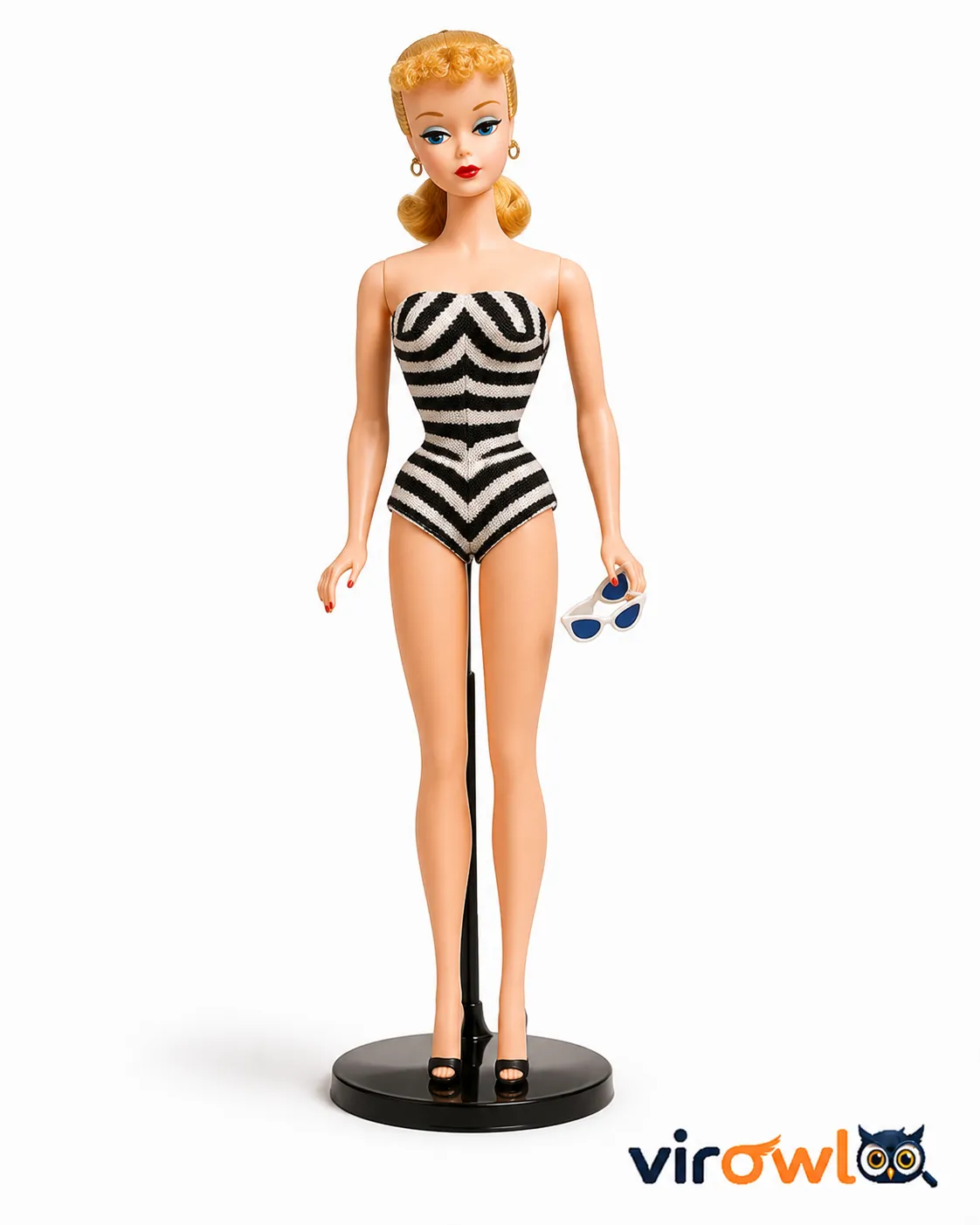
Barbie Doll (1959)
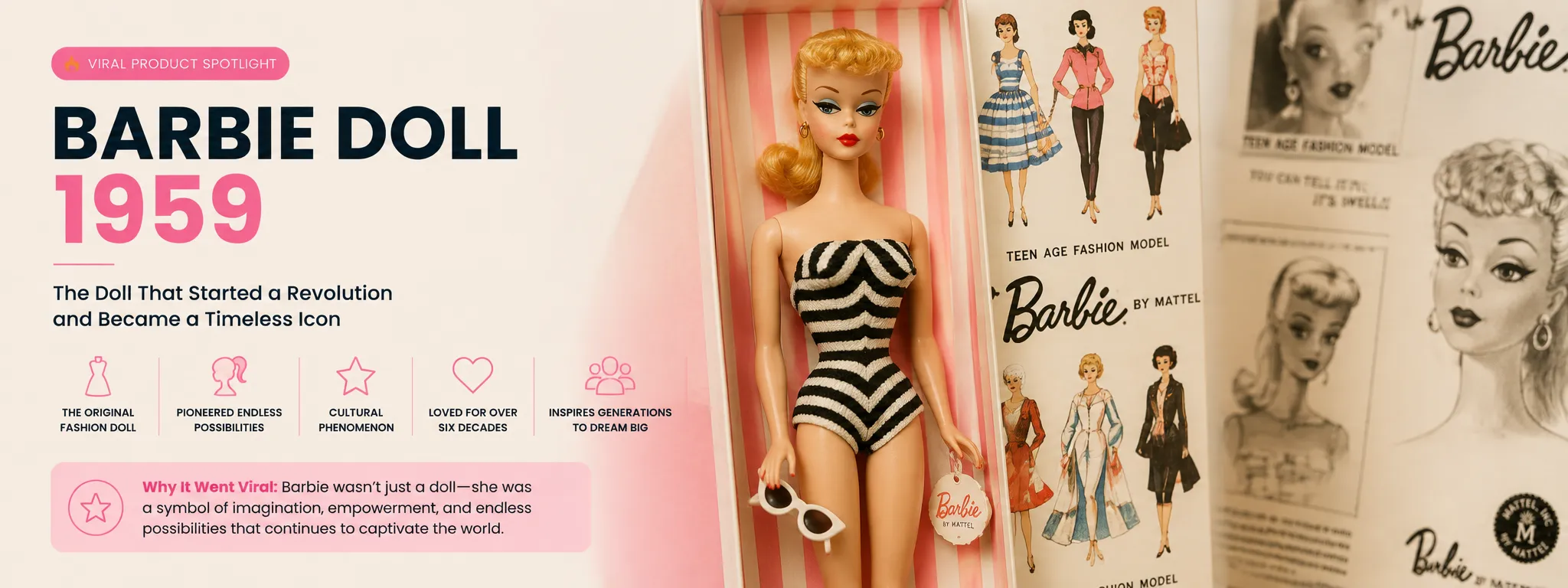
The best-selling fashion doll in history, with over a billion sold since 1959 — and a brand that's stayed culturally dominant for over 65 years by repeatedly reinventing itself.
Barbie is Mattel's fashion doll line, first sold in 1959, built around an ever-expanding wardrobe, career, and lifestyle concept rather than being a single fixed toy. Few toys in history have matched Barbie's combination of total sales volume and sustained cultural relevance across generations.
Staying power built on repeated reinvention
Barbie's core longevity strategy has been continuous adaptation rather than resting on nostalgia: new careers, fashions, and accessory lines kept the toy relevant decade after decade, and Mattel has periodically made deeper structural changes when culture shifted under the brand.
The clearest example came in January 2016, when Mattel introduced three new Barbie body types (tall, petite, and curvy) along with a wider range of skin tones — a direct response to decades of criticism about the doll's unrealistic proportions and lack of representation, and a rare case of a legacy toy brand making that scale of change to its core product rather than just its packaging or marketing.