Beanie Babies (1993)
Underfilled beanbag plush animals that turned into a genuine speculative bubble — peak annual sales of $1.4 billion, a billionaire founder, and individual bears now trading for six figures.
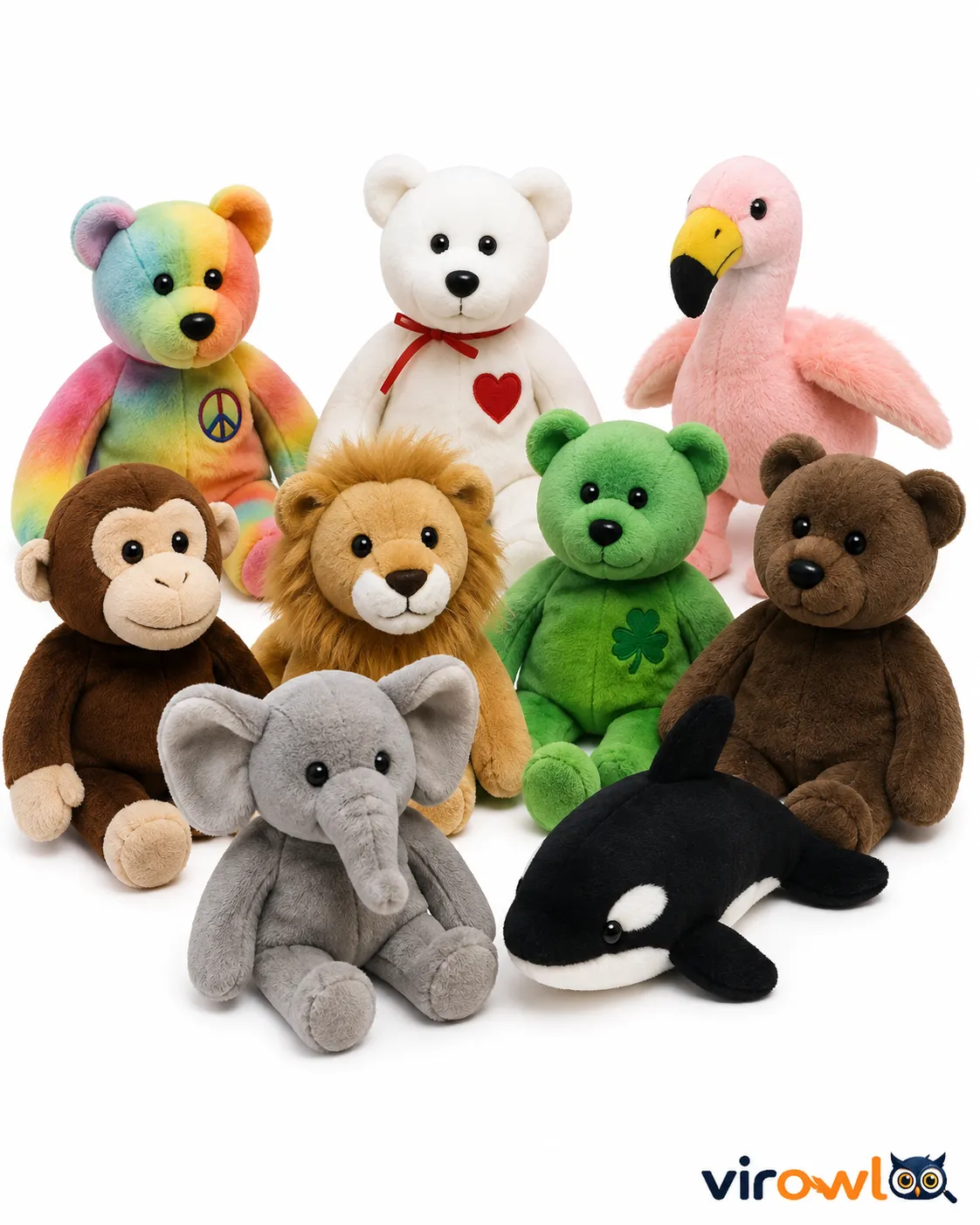
Beanie Babies are small, lightly-stuffed plush animals from Ty Inc., first sold in 1993. What makes them historically notable isn't the toy itself, which is unremarkable — it's that they became one of the clearest examples in modern retail history of a toy being treated as a financial investment, complete with a genuine boom and eventual bust.
Deliberate scarcity, before scarcity marketing had a name
Ty Inc. drove demand through calculated scarcity: limited production runs, frequent retirements of specific designs, and minimal advertising, which is highly unusual for a toy company deliberately trying to build hype without spending on it. Beanie Babies notably relied on almost no traditional media presence, leaning entirely on word of mouth and later, secondary-market speculation, to build the craze.
At its peak, that mechanic pushed Ty Inc.'s annual revenue on Beanie Babies alone to roughly $1.4 billion, turning founder Ty Warner into a billionaire — a remarkable outcome for beanbag plush that cost little to manufacture.
A genuine speculative bubble, not just a toy fad
Unlike most toy crazes, Beanie Babies developed a real secondary market where specific rare designs were bought and sold as investments, not toys — the Princess Diana memorial bear is among the most famous examples, with some listings asking $1 million or more. Most Beanie Babies from the era are worth only a few dollars today, which is itself the lesson: the investment framing around the rare exceptions obscured how ordinary the vast majority of production actually was.